
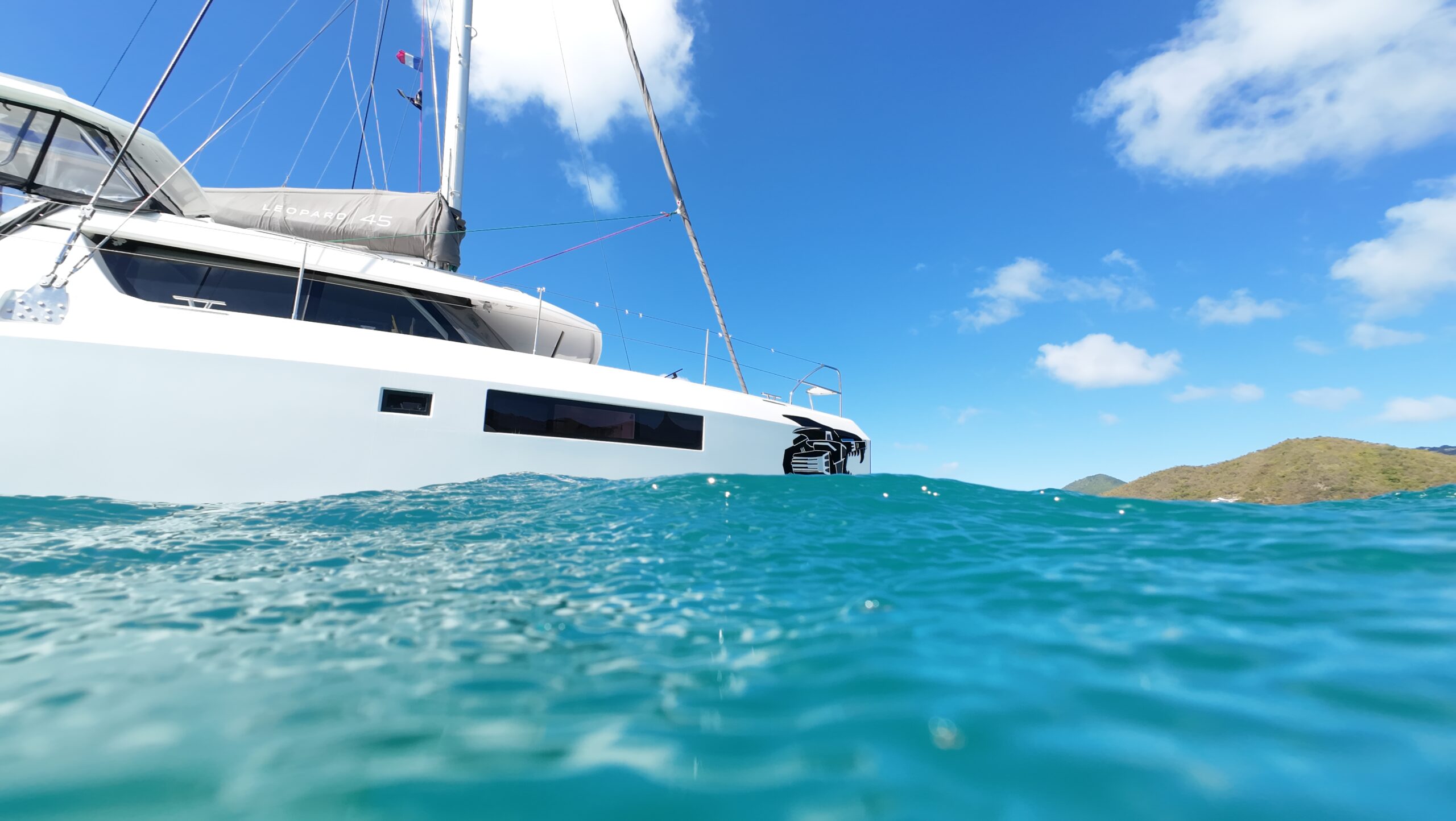
Last month Starlink sent the sailing world into a tailspin with plans to modify the Starlink Roam plans in a way that would prevent many current users for continuing as they had. Then, the company emailed users who had used Ocean Mode in the past year regarding a new plan, but it’s not the answer we all hoped for.
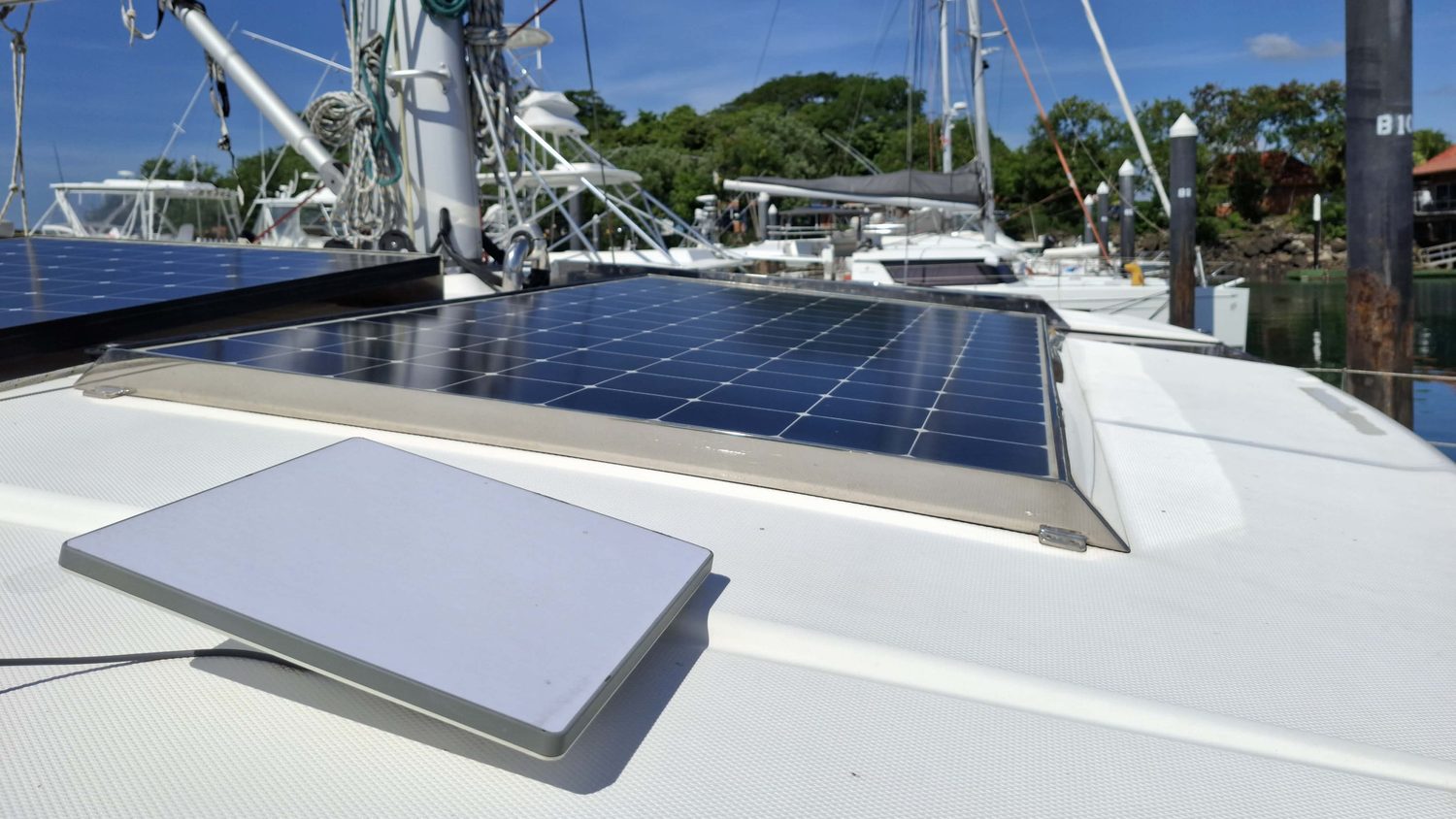
30-day international limit on Roam plans
To start, the email reiterated that the standard Starlink Roam plan is no longer a set-and-forget option for long-term international travelers:
“International use is limited to 30 days at a time outside your registered home country, after which you can return home to continue service.”
For cruisers transiting between different countries or crossing oceans, like we’ll be doing soon, this strict 30 day limit creates a significant logistical barrier.
Increase in cost of Ocean Mode
In addition to the travel limit, the pricing for offshore data is changing. Starting September 27, Ocean Mode data will be charged at 6 USD per GB, up from 2 USD. This 3x increase in costs means cruisers need to monitor their background data usage more than ever before, when making offshore passages.
For those who switch to the Personal Maritime plan though, the change is immediate.
The new Personal Maritime plan
Now for the most interesting part of the email; the announcement of the Personal Maritime plan.
Designed for small personal vessels, this plan costs 185 USD per month and removes the 30 international travel limit. It provides unlimited data in territorial waters worldwide, allowing you to move between countries without worrying about service interruptions; essentially what Roam Unlimited used to give when the terms of service didn’t cut people off.
The first thing that struck me was this wording:
“This plan is for small personal vessels—not yachts or commercially operated vessels (including ferries and commercial fishing)—and is not intended for use on land.”
So, will cruisers on yachts have access, or not?
Digging into the Service Plan Description, the answer gets murkier.
“The Personal Maritime plan is available exclusively for personal, small watercraft use. Use on larger craft or yachts (e.g., watercraft exceeding 40 ft. in length overall) is prohibited.”
Now that it’s been out about a week one thing is clear – the rollout of the Personal Maritime plan has been inconsistent at best, and no one above 40 ft knows why they are or aren’t being approved.
Across Facebook and Whatsapp, cruiser groups are talking. Some people with boats over 40 ft have shared that they’re being approved with no fuss, including vessels that exceed 60 and 70 ft. Others are being denied. This includes situations where two people will have the exact same type of boat, and one is approved while the other isn’t.
How to switch to Personal Maritime Starlink
To switch to the plan, users need to create a support ticket by pressing the link in the email, and provide specific information about the vessel:
- Vessel name
- Flag state
- Length overall (LOA)
- A unique ID (such as Hull Identification Number, Craft Identification Number, MMSI, or ITU Call Sign)
- A copy of your vessel’s Registration Certificate
For now, it only seems to be available to invitees, as people who did not get the email have been told no.
What now?
Starlink’s new policies represent a shift towards stricter plan enforcement, but the Personal Maritime plan offers a potential path forward for international sailors.
While the higher monthly cost and registration paperwork require extra effort, keeping a reliable internet connection on the water is worth it for many. That said, the inconsistent roll-out is alienating some customers who want to be on the plan and are being denied, which isn’t doing Starlink any favors from a loyalty perspective.

One of the creators behind Travel Sketch, Telicia lives full-time aboard SV Liger. She’s a freelance writer who’s worked with a range of international companies, and serves as social media coordinator and magazine editor for noforeignland. With the Med and Caribbean done, she’s charting a course through the Pacific and Asia.




Leave a Reply