
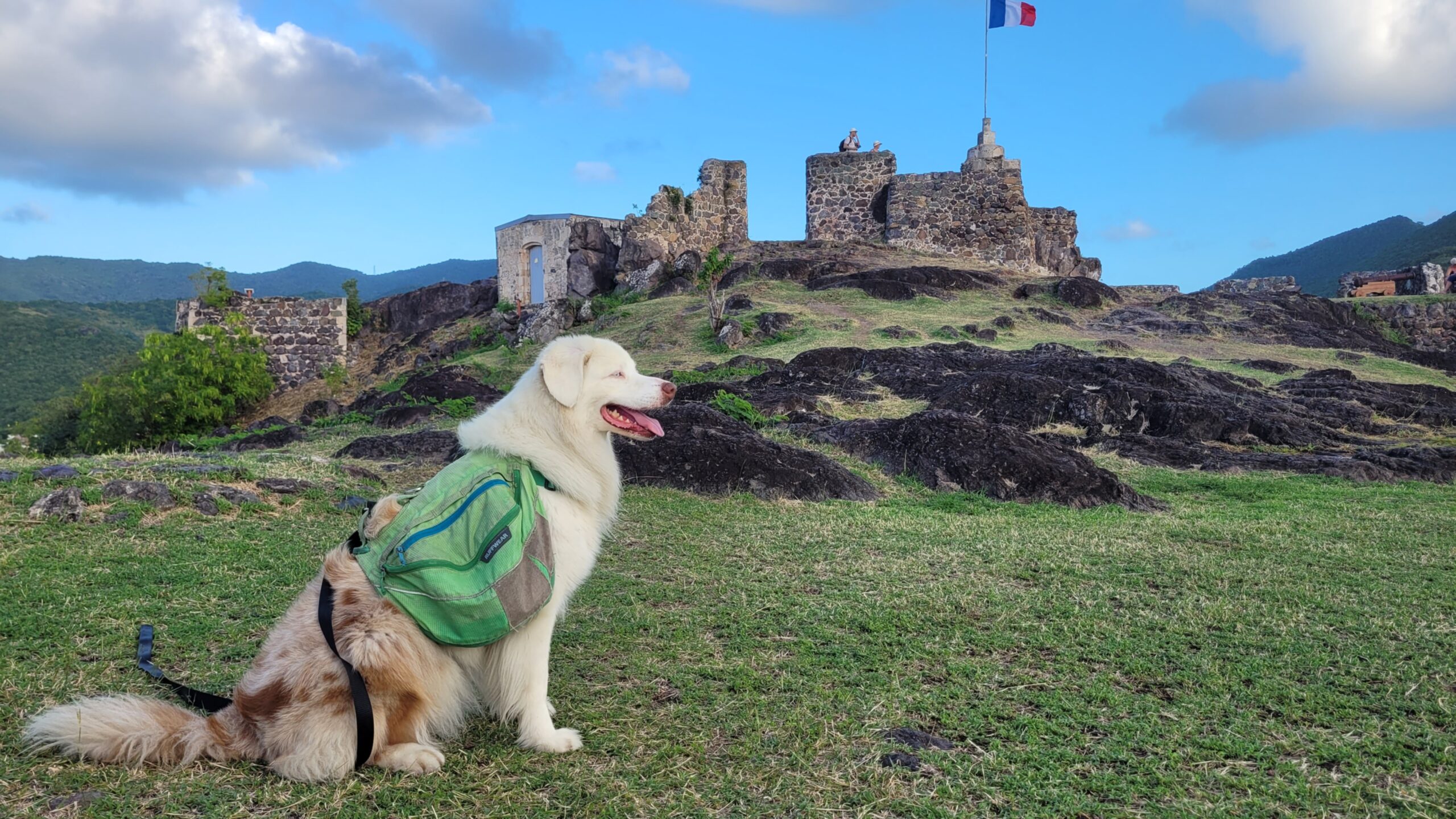
One look at our blog or social media pages and you’ll quickly see that we are sailing with a dog aboard. Rose is our Australian Shepherd, and happily, she is incredibly well-suited to our live-aboard cruising lifestyle.
We frequently get asked questions about what it is really like to live on a boat with a dog. To help anyone considering sailing with their dog, I’ve created this guide to the day-to-day realities and things to consider about sailing with your four-legged friend.

Are dogs suited for the cruising lifestyle?#
Deciding to bring a dog cruising is a major decision that requires balancing the rewards of companionship against significant travel logistics.
In my mind, a dog is a ten-plus year commitment that will dictate where you can travel, how you leave the boat, and what paperwork you must complete. For us, having the companionship and security of a guard dog aboard completely outweighs the extra work. For you, it’s important to consider all of the pros and cons before making a final decision.
If you’re getting a dog knowing you’ll be pursuing boat life, like we did, it helps to look for traits like intelligence, stamina, and adaptability. You should also consider the size and layout of your boat. Smaller dogs are easier to carry in a tender, while medium-to-large dogs like Rose can get themselves on and off the boat more easily.
If you already have a dog, don’t let the logistics automatically discourage you. Many dogs adapt well to living with their humans full-time, and there’s even a number of cruisers sailing with rescue dogs who’ve found them along the way.
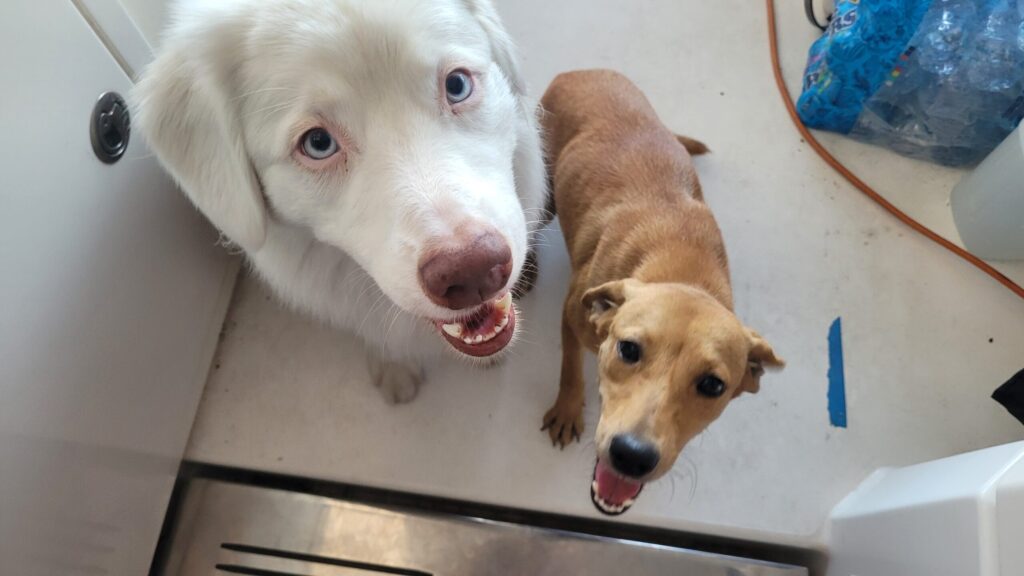
Getting your dog used to boat life#
In general, careful exposure to the boat and ocean is the best way to get a dog comfortable with the sailing lifestyle.
When Rose was only a few months old, we took her out on a fishing boat to get her used to the movement and the water. She was about two years old when she officially moved onto SV Liger, and by coincidence her first six weeks aboard were spent in Gibraltar’s Queensway Quay Marina. That gave her plenty of time to get used to her new home before we actually set sail.
What about offshore passages?#
During crossings, Rose spends most of her time sleeping and cuddling inside the saloon or up in the helm. She has things like toys, natural dried pig ear and a snuffle mat to keep her busy inside.
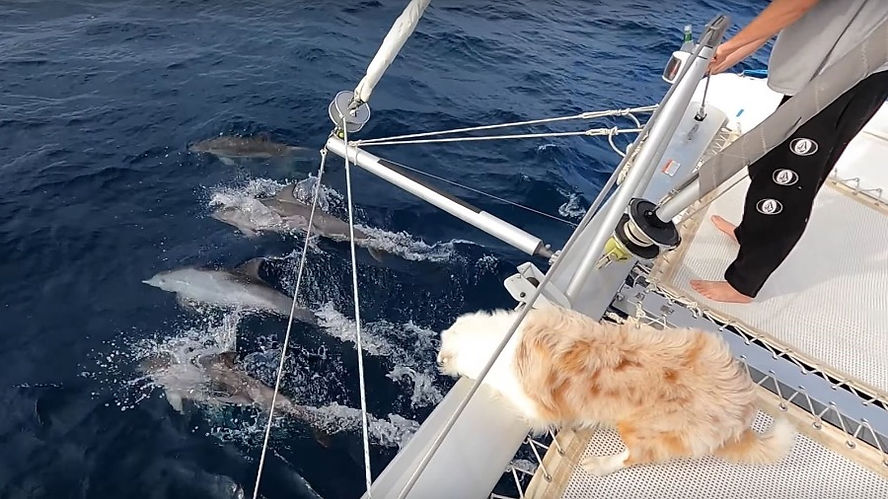
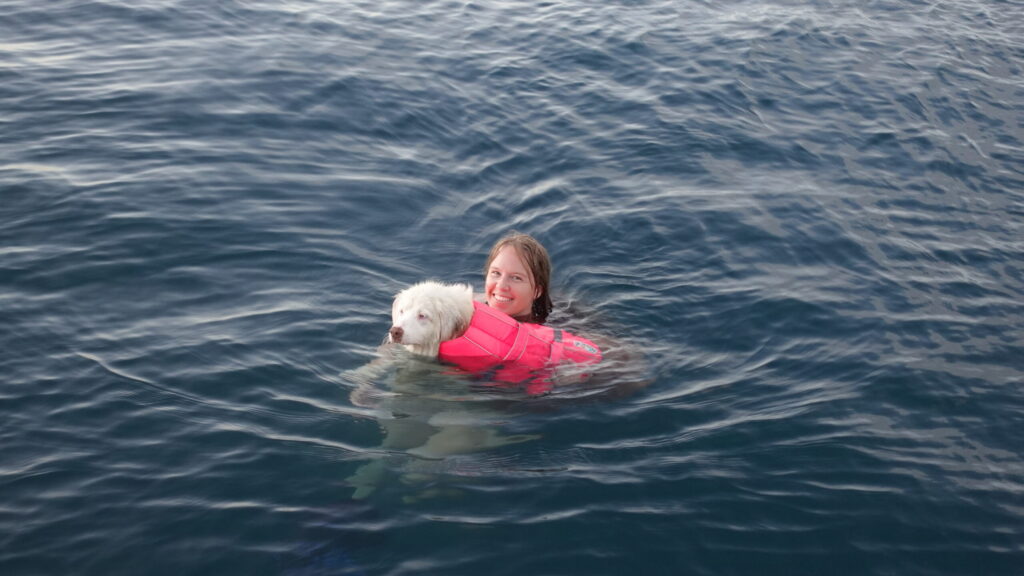
When multiple crew members are awake, we take her on deck under supervision for fresh air, to play and to watch dolphins. On days when the ocean is calm, we’ll often stop the boat and let it drift while she has a swim.
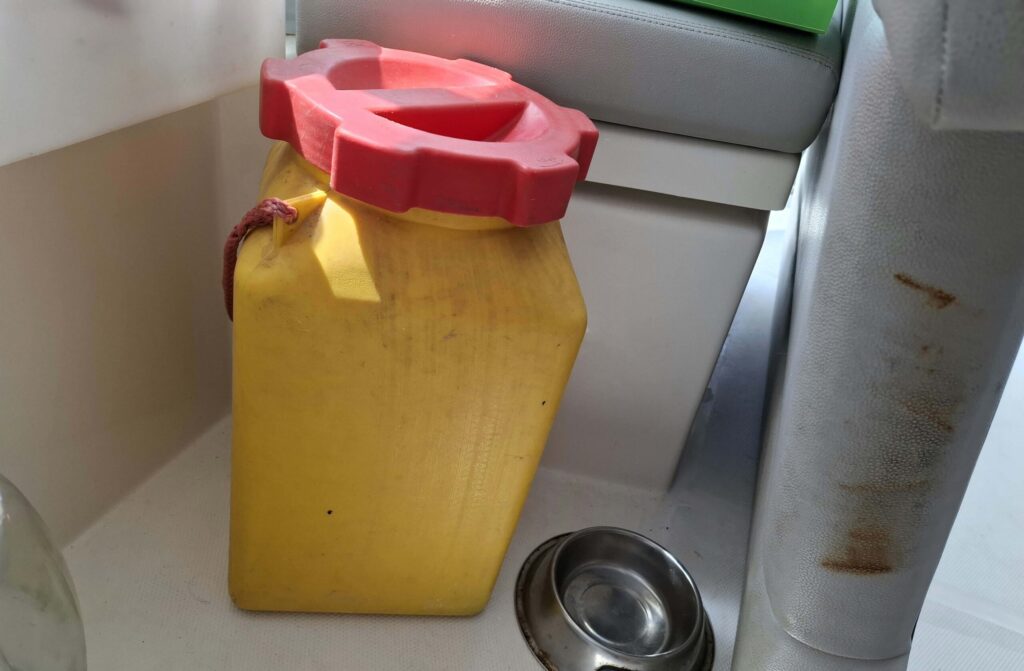
On days when the ocean is rougher she stays inside. Part of her dog training was ensuring she knew that she had to stay in the saloon unless told otherwise; it is her designated “safe space”. To toilet, her “pee dish” is kept in the rear cockpit of our catamaran – at anchor it’s on the front.
During passages we also feed Rose less than normal because like us humans, she’s not as active as normal.
Going ashore#
Safely moving your dog between the yacht and the tender is a daily skill that can require some training and a bit of patience.
Given that Rose is a bigger, stronger dog, she does the transfer independently; we typically pull our tender alongside the transom and have Rose jump across. When visiting docks, she either jumps the gap on command or walks across the gangway. If you have a smaller or older dog, it can be useful to have them in a life jacket or harness that has a handle on the back, like the Ruffwear Approach Pack or Outward Hound Granby Splash, both of which I highly recommend.
Once you are ashore, finding suitable areas to exercise your dog depends on where you anchor.
- If we’re in a city, we look for local parks or off-lead dog areas
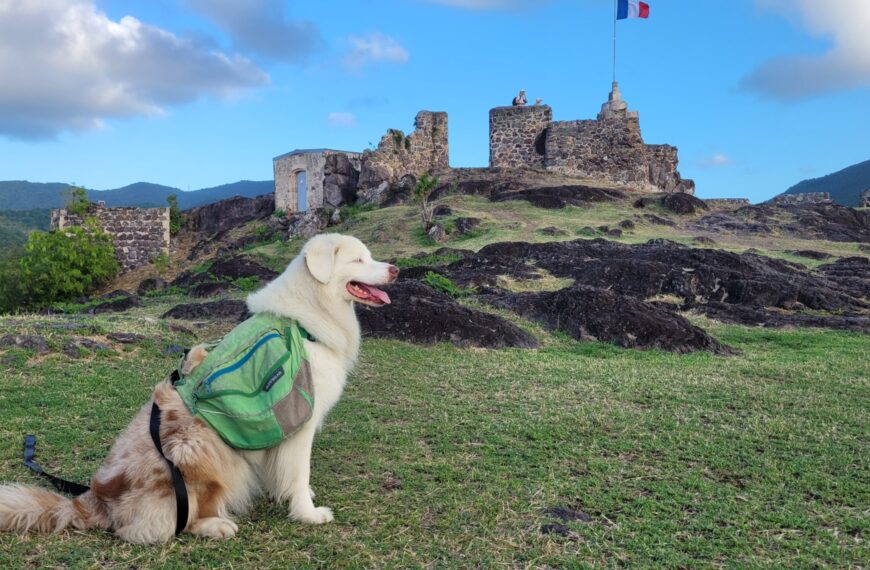
- When we go hiking, Rose comes with us
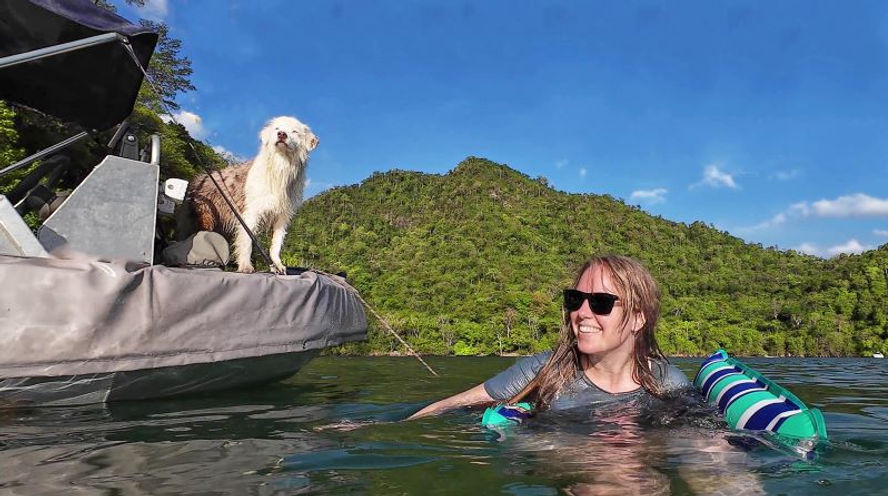
- In calm, quiet anchorages she might swim to shore and play on the beach
Toileting on a boat#
Training a dog to toilet on a boat is one of the most common concerns for cruisers, but it can be accomplished with consistent training.
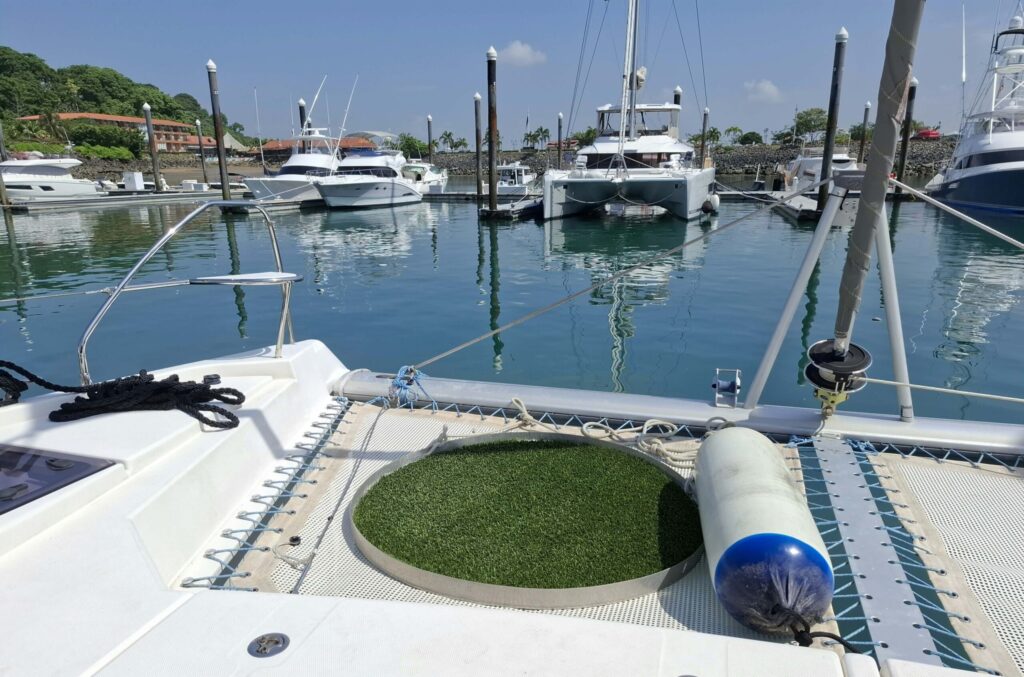
Starting with where she does her business, Rose has a custom-made, round aluminum dish with astro turf glued inside. The “toilet” sits on the front trampoline, and every day or so we tie it to a rope and throw it overboard to soak and clean. We also keep a dog urine neutralizing spray aboard in case the weather is too rough to wash the dish.
From a young age, Rose was taught that she was okay to pee/poop somewhere if we told her “go wees”. The first day she came aboard Trent pointed at her dish, told her to “go wees”, and she happily trotted over to use it.
If your dog is struggling to use a boat toilet, the advice from other cruisers is to wait them out. It might sounds mean, but most dogs are stubborn, and will try to hold it in hopes that you’ll take them to shore. Giving in will make training much harder in the long run.
Managing pet food#
Managing dog food on a boat requires proper storage to protect dry food from humidity and pests. Rose eats a diet of grain-free dog biscuits stored in airtight containers, along with fresh meat off-cuts or fish.
When buying dog food, I choose businesses that offer free delivery to make the logistics easier. In Europe we used Zooplus, in Australia we used Pet Barn, and in Trinidad we purchased from Paws & Whiskers. When there’s no choice, pet stores and supermarkets are both an option.
Shipyard life with a dog#
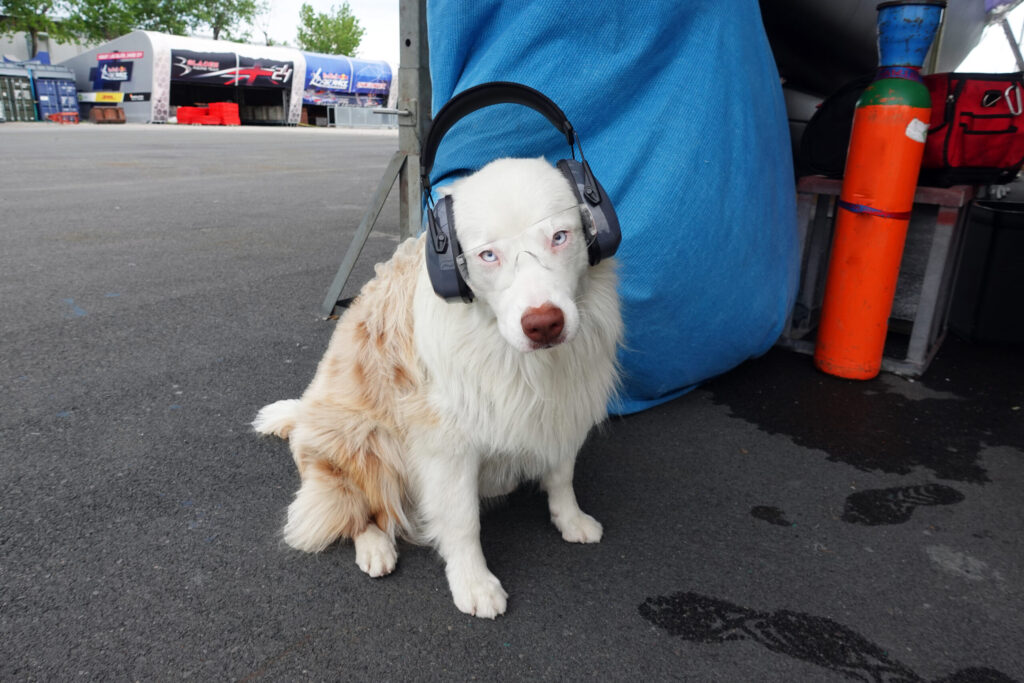
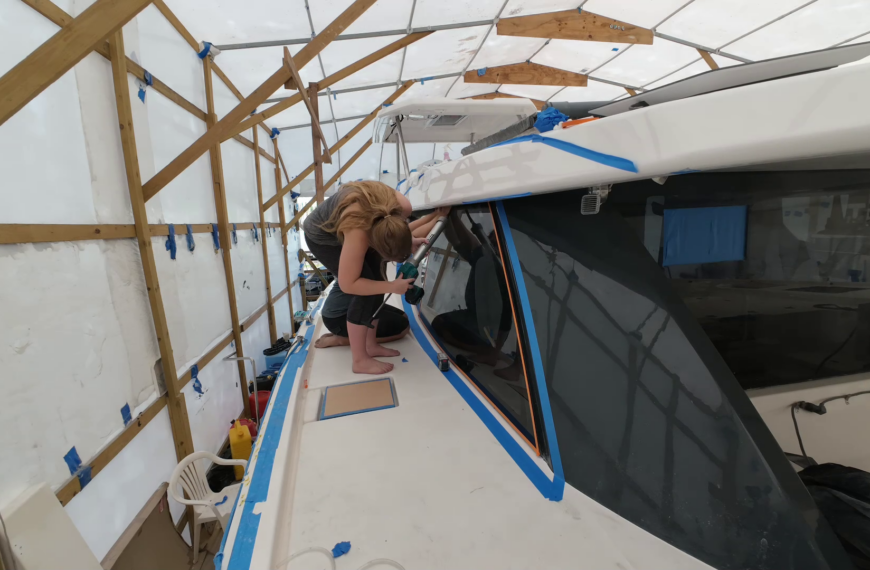
Rose has lived in shipyards long periods of time, including three months in Italy and over 640 days in Trinidad. When we were hauled out in Italy, we had to carry her up the ladder or hoist her using our davit system and a dog lifting harness. To make it easier, we eventually built her a wooden ramp using a second ladder and planks of wood. In Trinidad they provided stairs, which made going up and down much easier.
Before booking a yard, always verify their pet policies as some facilities are much stricter than others.
Once your boat is hauled, you must be extremely vigilant about shipyard hazards. Keep your dog away from dangerous boat building chemicals, fiberglass dust, and poisonous vermin baits that are often placed around the yard.
Managing heat, sun, and seasickness#
Keeping a dog cool and hydrated is a major priority when cruising in warm tropical climates. Dogs don’t sweat like humans, so they rely on panting and shade to regulate their body temperature. You should ensure your dog always has access to fresh, cool water and a shaded spot on deck or inside the cabin. Some cruisers use cooling mats, wet towels, or small fans to help their dogs beat the heat during hot afternoons at anchor – we tend to take Rose for a swim.
As a dog with a lighter colored nose, Rose is susceptible to sunburn. To combat this, we keep SPF rated dog sunscreen aboard, because normal sunscreen contains chemicals that are harmful to dogs. I discovered the hard way that dog sunscreen is impossible to find in the Eastern Caribbean, so if it’s available where you are, it’s something to consider stocking up on.
Seasickness is another factor to consider when sailing with a dog, as it can affect dogs just as it does human crew members. If you notice your dog drooling excessively, panting heavily, or acting lethargic when underway, they may be experiencing motion sickness. It is best to consult with a veterinarian on treatment, but otherwise try to keep them in a place with less motion.

Dog safety at sea#
I believe supervision and consistent training are two of the most important elements of keeping a dog safe on a sailboat. Rose is trained to stay in the helm, on the rear cockpit seat, or in the saloon when we are maneuvering the boat. She knows how to swim back to the sugar scoops of SV Liger if she ever falls in, and can climb the swim ladder independently. She has an Outward Hound Granby Splash life jacket, can be tethered to a pole, and in case of emergency, we also have a dog-overboard procedure.
While you’re not meant to attach a standard PLB to dogs, there are some devices like the ACR OLAS Float-On that are designed to alert you if you have a dog-overboard situation.
Healthcare and first-aid for boat dogs#
Finding reliable veterinary care while traveling internationally is easy in cities, harder in remote areas. To find a vet I generally check noforeignland and search Google Maps, searching for clinics that are well-reviewed, have English speaking staff, or have worked with other travelers before.
When you’re far from professional veterinary care, you must be prepared to help your dog yourself – our most memorable was a severe paw laceration after Rose stepped on glass in a river. We have general items like self-adhesive bandages, Iodine, and tick tweezers aboard, as well as dog specific things like protective dog booties, a medical stapler, dog ear antibiotics, tick/flea/worming medications, and dog antihistamines. There are some dog telehealth services available, like Carriavet if you’re in the Caribbean, although personally we’ve never needed one.
If you have a good relationship with your vet, it’s a smart idea see them before you set sail and work together to create a dog first-aid kit.
Your kit should include items like self-adhesive cohesive bandages, antiseptic wash, saline for flushing eyes or wounds, and tweezers for removing ticks or splinters. Having a digital copy of a pet first aid guide on your phone is also highly recommended.
Pet importation processes#
Navigating international pet importation laws is one of the most challenging parts of sailing with a dog. Every country has unique entry requirements, and you must research each destination individually before arrival.
The most common requirements I’ve seen are proof of a microchip and a current rabies vaccination. Some countries also require a rabies titer test, health certificates, treatments for parasites, and testing for diseases like leishmaniasis. If the requirements seem impossible to meet you can reach out to the country’s government vet directly; we did this when sailing to Trinidad and received an exemption from some of the set time periods.
No matter what some people might claim, it’s important that you comply with all official pet permit regulations. The consequences of trying to sneak a dog in can be severe, including heavy fines, deportation, or the forced euthanasia of your dog. Taking the time to research the official government website for each country you visit ensures your dog’s safety and legal entry.
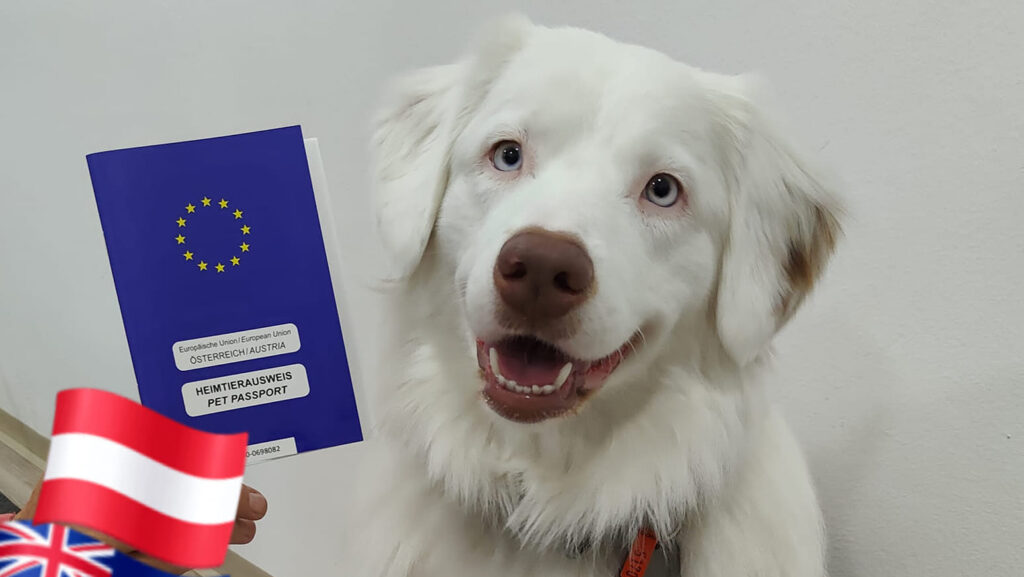
If you’re cruising through Europe, getting a European Pet Passport is highly recommended. Check out our guide on how we got one for Rose.
Sailing with a dog#
Sailing with a dog is an incredibly rewarding experience that brings a unique sense of joy and companionship to boat life. While the paperwork, food provisioning, and safety precautions require extra effort, we cannot imagine exploring the world without Rose aboard SV Liger.

One of the creators behind Travel Sketch, Telicia lives full-time aboard SV Liger. She’s a freelance writer who’s worked with a range of international companies, and serves as social media coordinator and magazine editor for noforeignland. With the Med and Caribbean done, she’s charting a course through the Pacific and Asia.




Leave a Reply